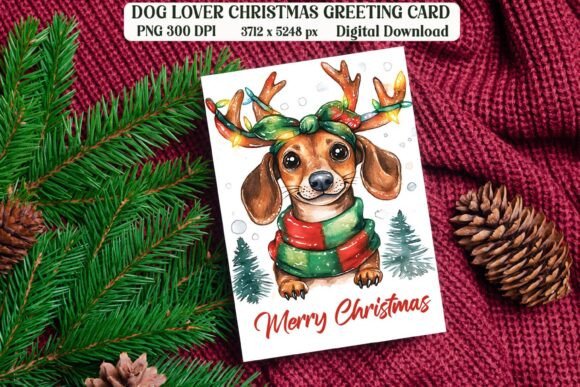
Pembroke Welsh Corgi Dog Xmas Card PNG Review
When a PNG file crosses my desk, I treat it like a sketch before the stitches. The Pembroke Welsh Corgi Dog Xmas Card PNG is exactly that kind of design asset: a digital background built for Christmas card layouts, printable gift tags, or mockup displays, but also a strong candidate for embroidery adaptation if you know how to read its bones. I’ve been digitizing and stitching custom apparel for over a decade, and this corgi holiday scene has real potential for small shop owners, Etsy sellers, and handmade businesses. Let me walk you through what works, what needs attention, and where this graphic earns its keep in a real embroidery project.
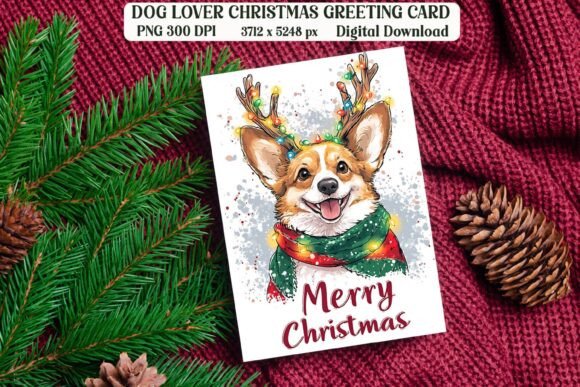
The first thing I notice is the mood. This is a warm, playful Christmas composition built around the Pembroke Welsh Corgi—those short legs, upright ears, and that unmistakable fox-like face. The design feels cheerful without being cluttered, which is rare for a holiday piece. The background layout gives you breathing room for lettering or additional elements, and the corgi itself has enough character to anchor a product all on its own. As a designer, I immediately think about how this would translate into a satin stitch outline with fill stitch details, especially on the dog’s face and the Christmas accents. The PNG format means I can drop it into my digitizing software, trace the key shapes, and start planning thread colors.
Now let me take you through a real case. I had a client who runs a small dog boutique and wanted custom embroidered tote bags for the holiday season. She needed something that felt premium but also readable from across a market table. I used the Pembroke Welsh Corgi Dog Xmas Card PNG as the visual reference for the digitizing process. The original PNG has a soft, illustrated quality that translates well into a medium-density embroidery design—around 40 to 50 thousand stitches depending on how much of the background you include. I focused on the corgi itself, dropped the busy background elements, and built a 4x4 hoop design that fit perfectly on a canvas tote. The result? A clean, recognizable corgi face with a red scarf and a subtle Christmas star. Customers at the craft fair stopped because they recognized the breed immediately, and that recognition sold the bag.
This design works naturally on several product types. Let me list them out for you, based on what I’ve tested or advised clients on:
- Custom apparel: Sweatshirts, t-shirts, and hoodies. The corgi’s face is simple enough to read on a chest or back placement. I’ve stitched a version on a cream sweatshirt and the contrast was nearly perfect.
- Tote bags and aprons: The medium detail level handles canvas and cotton well. For aprons, keep the design centered or slightly offset toward the left chest.
- Baby and kids items: Onesies, bibs, and small blankets. The playful corgi face fits a nursery or toddler gift. Just reduce the design size to fit a 4x4 hoop and check stitch density.
- Holiday pillows and tea towels: This is where the full background PNG shines. You can digitize the entire scene (including the festive backdrop) for a 5x7 or 6x10 hoop. I stitched one on a linen tea towel and the detail level felt right for a decorative piece.
- Patches and pins: Outline the corgi shape with a satin stitch border, fill with a dense fill stitch, and you have an embroidered patch that can be ironed onto backpacks or jackets.
- Printable mockups and digital products: Since this is a PNG background, you can also sell printable cards, gift tags, or digital scrapbook elements using the file as-is. That’s a whole other revenue stream for Etsy sellers.
I need to be honest about where this design can trip you up. The Pembroke Welsh Corgi Dog Xmas Card PNG is a background file, meaning it wasn’t originally digitized for embroidery. If you try to convert the entire PNG directly into stitches without simplifying, you’ll end up with excessive stitch density, thread breaks, and a design that feels stiff. Here’s where you need to be careful:
- Small hoop sizes: Anything below a 4x4 hoop will lose the corgi’s facial details. The eyes, nose, and ear shapes need at least 3 inches of width to read properly.
- Textured or stretchy fabrics: Fleece, thick knits, or ribbed materials can distort the design if the stabilizer isn’t strong enough. Use a cutaway stabilizer for knits and a tear-away for wovens. Test first.
- Dark backgrounds: The corgi’s face is light tan and white. On black or navy fabric, you’ll need a white or light underlay or a digitized white outline to make it pop. I recommend using a white running stitch outline before the main fill.
- Dense stitch areas: If you digitize the full background, you’ll have large fill sections that can pucker thin fabric. Break them into smaller shapes and use a lighter fill density—around 0.4 mm spacing—to keep the fabric flat.
- Curved surfaces like caps: The design is wide, so fitting it on a cap front requires a 5x7 hoop and careful placement. The corgi’s face will warp if the hoop is too tight. Use a cap frame and test on a practice cap first.
Let’s talk about visual appeal and product value. When a customer sees an embroidered corgi design on a gift, they immediately associate it with quality and personal effort. The Pembroke Welsh Corgi Dog Xmas Card PNG has a friendly, approachable style that feels both professional and handmade. That balance is critical for small business owners. You don’t want something that looks like a mass-produced patch, but you also don’t want a messy stitch-out. This design, when converted carefully, gives you that sweet spot: a recognizable breed mascot that feels festive and custom. I’ve used similar graphics for client projects and the feedback is always the same—people love that it feels personal without being amateur.
From a branding and giftability perspective, corgis are a niche breed with a dedicated following. Owners want products that celebrate their dog. That means a tote bag, sweatshirt, or pillow featuring this design can be priced at a premium because it speaks directly to a loyal audience. Whether you’re selling at a holiday market, on Etsy, or as a custom order, the emotional connection is already built into the subject. Your job is to execute the embroidery cleanly so that connection stays intact.
Now for my practical embroidery designer notes. Before you commit to a full production run, do this:
- Test the design on scrap fabric first. Use the same fabric type you plan to sell on. I always run a test stitch-out on a piece of cotton muslin or a similar weight fabric to check thread tension, density, and registration.
- Check thread color contrast. The PNG shows a tan and white corgi. In thread, use a light gold for the tan areas and a bright white for the face markings. Red for the scarf, green for any holly or Christmas accents, and black for the nose and eyes. Run a color map test.
- Review stitch density. If you digitize the full background, keep fill density at 0.4 mm or higher. For the corgi’s face, a medium density around 0.35 mm works. Adjust based on fabric.
- Confirm hoop size. The full background layout will need at least a 5x7 hoop. The simplified corgi face fits a 4x4. Know your hoop before you start digitizing.
- Test in black and white mockups. Convert the PNG to grayscale to see which areas blend together. This helps you plan underlay and outlines for clarity.
- Compare light and dark fabric backgrounds. Stitch a test on white, cream, and dark red fabric. The design’s contrast changes dramatically. Adjust thread colors accordingly.
- Use proper stabilizer. Cutaway for knits, tear-away for wovens. For patches, use a heavy tear-away or water-soluble stabilizer on top.
- Check licensing. The product description says “instant digital download PNG” and “printable.” If you plan to sell finished embroidered products or digital assets based on this design, confirm that the license covers commercial use. I always recommend emailing the seller if the terms aren’t clear.
One more thing about this file as a Backgrounds and Graphics asset. Because it’s a PNG, you can also use it directly for printable mockups, digital card designs, or social media graphics to promote your embroidered products. That makes it a dual-purpose tool: a source for your stitch file and a visual for your listings. For Etsy sellers, that means you can create a cohesive product line where the digital card matches the embroidered tote bag. Customers appreciate that kind of consistency.
Let me wrap up. The Pembroke Welsh Corgi Dog Xmas Card PNG is a versatile, well-composed holiday graphic that can anchor several embroidery projects if you approach it with good digitizing habits. It’s not a machine-ready embroidery file out of the box, but with a little tracing, density adjustment, and one or two test stitch-outs, you can turn it into a marketable finished product. Whether you’re a craft business owner building a holiday collection, an Etsy seller looking for a new tote bag design, or a hobbyist stitching a gift for a corgi-loving friend, this design gives you a strong starting point. Just remember to test it, simplify where needed, and always check the contrast before you commit thread to fabric. That’s how you turn a good PNG into a great embroidered piece.