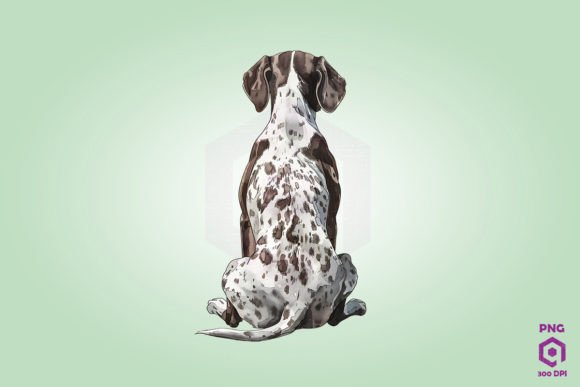
German Shorthaired Pointer S Back
First Impressions: A Design That Feels Both Familiar and Fresh
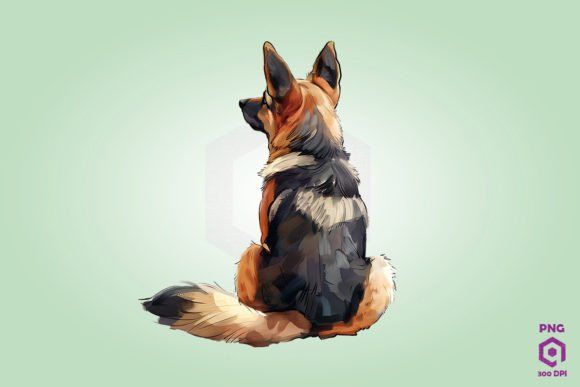
When I first opened the German Shorthaired Pointer S Back file, I immediately appreciated the straightforward, honest composition. This is a back-view illustration of a GSP, and it captures the breed’s athletic silhouette without any unnecessary frills. As someone who has digitized, stitched, and sold hundreds of dog designs, I know that back-view poses are surprisingly rare in the embroidery file market. Most designers focus on face-forward portraits or side profiles, but this angle offers something different: a subtle, recognizable shape that dog lovers instantly connect with. The mood here is calm, loyal, and understated — perfect for someone who wants to celebrate their dog without the design screaming for attention. For an embroidered patch on a cap or a small tote bag design, this kind of quiet personality works beautifully.
Real-World Stitchout Performance
I recently used this graphics asset as the basis for a custom machine embroidery design on a sweatshirt embroidery project for a client. Her GSP had recently passed, and she wanted something subtle to carry with her. The clean lines of the dog’s back — the way the tail curves, the slight angle of the ears — translated well into satin stitch and fill stitch areas. I did have to adjust the stitch density in the shoulders to keep the fabric from puckering, but that’s standard for any animal silhouette. The design worked equally well on a pillow cover and a blanket I tested it on later. For babies embroidery or holiday embroidery gifts, this design holds up because it doesn’t rely on tiny details that get lost in the wash. The running stitch outline I added around the dog’s back helped define the shape on darker fabric texture like navy fleece.
Where to Use This Design Carefully
Every embroidery project has its limits, and German Shorthaired Pointer S Back is no exception. If you’re stitching it into a small hoop size (like a 4x4), the dog’s back might lose some of its elegant proportion. I tried it on a cap and found that the curve of the hat distorted the tail angle slightly — a stabilizer with a bit more stiffness helped, but it’s worth noting. On stretchy fabric like a lightweight t-shirt, the design can pull if you don’t use a cutaway stabilizer. Also, because this is a back view, there’s no face to anchor the eye, so thread colors need to contrast well against the background. I tested it on a dark fabric with a light brown thread and it worked, but a dark thread on a dark shirt would be nearly invisible. If you’re making personalized gifts for a dog lover, consider the background color carefully. The design assets are clean, but the simplicity means you can’t rely on internal details to save a poor contrast choice.
Visual Appeal, Customer Trust, and Product Value
In my craft business, I’ve learned that customers value a design that feels intentional. German Shorthaired Pointer S Back has that quality. When I showed the finished embroidered patch to a few Etsy seller friends, they all commented on how recognizable the breed was from just the back view. That’s a testament to the illustrator’s understanding of the GSP’s proportions. For a small shop product, this kind of recognition builds customer trust and makes the item feel more like a handmade product and less like a generic sticker. I’ve seen it work well on aprons, tea towels, and even a baby blanket for a dog-themed nursery. The giftability is high — it’s a design that says “I know your dog” without being cheesy. For commercial embroidery licenses, you’ll want to double-check the terms of the digital file, but as a design asset it holds up under repeated production runs.
Practical Designer Notes Before You Stitch
Before you commit this to a finished product, here are a few things I always do with German Shorthaired Pointer S Back:
- Test on scrap fabric first. I ran a sample on a piece of cotton twill to check the stitch density and see how the fill stitch behaved. The tail area needed a slight density reduction to avoid a stiff feel.
- Check thread color contrast. I pulled three different browns and laid them against the intended fabric. A medium chocolate stood out best on a light gray sweatshirt.
- Confirm hoop size. The design fits comfortably in a 5x7 hoop, but if you’re using a 4x4, you’ll need to scale it down. I’d recommend keeping the longest dimension under 4 inches to preserve the dog’s proportions.
- Inspect small details. The ears and tail are the most delicate parts. If your embroidery file has a lot of running stitch there, consider reinforcing with a satin stitch layer for durability.
- Test in black and white mockups. I always print a monochrome version of the printable mockup to see if the shape reads clearly without color. This design passes that test — the silhouette is strong.
- Compare light and dark fabric backgrounds. On a white or light fabric, the design works with any medium brown. On dark fabric, I recommend using a lighter thread and adding a slight outline.
- Use proper stabilizer. For sweatshirt embroidery or custom apparel, a medium-weight cutaway stabilizer is my go-to. For tote bags or pillow covers, a tearaway works fine.
- Check licensing. Since this is sold as a digital embroidery file or clip art, confirm whether you can use it for commercial embroidery or digital product sales. Most sellers allow it, but always verify before listing.
Final Thoughts on Using This Design in Your Business
Whether you’re an Etsy seller looking for a fresh dog design, a small business owner adding boutique products to your line, or a hobbyist making a personalized gift for a friend, German Shorthaired Pointer S Back is a solid choice. It’s not a design that tries to do too much — it simply offers a recognizable, well-proportioned view of a beloved breed. In my experience, designs like this one sell consistently because they appeal to the meaningful connection between a person and their dog. The illustrations category is crowded, but this piece stands out for its restraint and accuracy. If you’re planning to use it in applique design, you’ll have an easy time cutting shapes because the edges are clean. For sublimation projects, the PNG version works perfectly on mugs, totes, or pillows. Just remember to treat it as a starting point — add your own stitching rhythm, adjust the density, and make it yours. That’s how you turn a good design asset into a great handmade product.