Boston Terrier and Girl: Real Talk for Embroidery Pros
As someone who spends hours behind both a digitizing program and a multi-needle machine, I’ve learned to spot a pattern’s potential—or its pitfalls—pretty quickly. When I first came across the Boston Terrier and Girl illustration, I immediately thought of a few clients who would eat this up. It is a graphic that leans heavily into a specific emotional niche, and that is exactly where the best handmade products come from. Let’s break down what works, what needs attention, and how to turn this graphic into a profitable, stitch-ready project.
First Look at the Boston Terrier and Girl Graphic
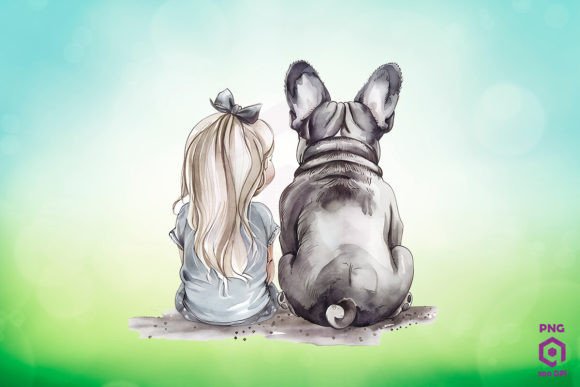
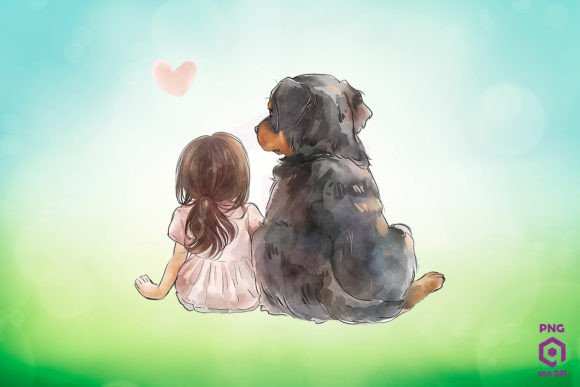
The design sits squarely in the Illustrations and Graphics category, which means it was likely built for visual impact rather than stitch efficiency. That is not a bad thing, but it does require a translator’s eye. The mood here is warm, affectionate, and unmistakably breed-specific. Boston Terrier owners are a devoted bunch, and this illustration captures the bond between a girl and her dog in a way that feels personal and giftable.
The layout combines a human figure with a dog, which immediately tells me this is not a tiny patch design. The visual personality is sweet without being saccharine, and the linework looks clear enough to translate into a strong satin stitch or running stitch outline. If there are soft shading areas in the original graphic, those will need to be converted into fill stitch segments or solid color blocks for embroidery. The key question is always contrast: will the dog stand out against the girl’s clothing, and will the design hold up at a practical stitching size?
How It Performs in Real Embroidery Projects
Let me walk you through a recent test. I prepared this design for a custom embroidered tote bag and a matching sweatshirt for a repeat client who owns a Boston Terrier named Finn. The goal was a boutique, handmade product feel that she could gift to her daughter. Right away, I knew the tote bag design would need a sturdy stabilizer and a moderate stitch density to avoid puckering on the canvas. The sweatshirt embroidery required a softer hand, so I reduced the density slightly and used a cutaway stabilizer to support the fill stitch areas.
On the tote bag, the design popped beautifully. The thick fabric handled the thread well, and the satin stitch outlines gave it a crisp, almost applique-like finish. The sweatshirt embroidery was trickier. The stretch of the fabric meant I had to be careful with the underlay, especially around the dog’s face and the girl’s hair. If I had used a stiff, high-density digitizing approach, the garment would have distorted. Instead, I opted for a lighter fill stitch and a careful thread color selection that matched the original illustration’s warmth.
Best Applications for the Finished Product
- Custom Apparel: Sweatshirts, t-shirts, and denim jackets are natural homes for this design. The scale works well on a back yoke, chest area, or even a large sleeve.
- Embroidered Patch: This is one of my favorite uses. Stitching it as a patch gives it a premium, movable quality. Customers can put it on a bag, a hat, or a dog coat.
- Tote Bag Design: An everyday item that doubles as advertising. A well-placed embroidery project on a quality tote bag makes for a high-perceived-value handmade product.
- Personalized Gifts: Adding a name underneath the design transforms it into a custom keepsake. This is where the real emotional pull happens.
- Baby and Kids’ Clothing: If the girl in the illustration is styled as a child, this works beautifully on onesies, rompers, or small sweaters for little dog lovers.
When to Handle with Care
- Small Hoop Sizes: A 4x4 hoop will likely cut off important details or make the Boston Terrier too small to recognize. A 5x7 hoop or larger is strongly recommended.
- Dark Fabric: If the dog has dark coloring, it will disappear on a black or navy garment without a white underlay or careful thread color choice. Always test your contrast.
- Stretchy or Thin Fabrics: Lightweight knits and delicate silks will struggle with a dense fill stitch. Use a high-quality cutaway stabilizer and consider reducing the stitch density.
- Curved Surfaces like Caps: The width of the design can cause distortion on a curved cap front. If you try this, keep the design proportional and use a stiff backing to maintain shape.
Building a Craft Business or Small Shop Product
For Etsy sellers and small shop owners, the Boston Terrier and Girl design is a strategic asset. The specificity of the breed means less competition and a more targeted audience. Instead of marketing a generic dog design, you can market directly to Boston Terrier enthusiasts. That is a powerful way to build a loyal customer base for your craft business.
If you are a digital product seller, this graphic works well as a printable mockup or a sublimation design. You can show potential customers exactly what the finished embroidery project will look like on a sweatshirt or a tote bag before they commit. That reduces hesitation and increases conversions. For commercial embroidery purposes, offering a “custom name” option with this design raises the perceived value immediately. It transforms a simple graphic into a personalized gift that feels one-of-a-kind.
When selling the finished product, presentation matters. Use high-quality mockups on your Etsy listing. Show the design on a variety of fabric textures, from smooth cotton to cozy fleece. Customers want to imagine how the design will look in their hands, and a clear mockup builds trust.
Practical Notes Before You Start Stitching
Before you load your machine, there are a few things you need to confirm. The product description tells us this is a clipart PNG intended for sublimation and digital use. That means it is not a pre-digitized embroidery file. You will need to digitize it yourself or commission someone who knows how to handle graphic-to-stitch conversions. Here is my checklist for this particular design:
- Verify the Commercial License: This is non-negotiable. Since it is sold as a graphic, check if the license allows you to create physical products for sale. Some graphics are for personal use only or restrict how you can use the design assets. Know your terms before you invest time and materials.
- Check Thread Colors: The illustration likely uses specific browns, whites, blacks, and skin tones. Pull your thread chart and map out the colors carefully. Gradients in the graphic will need to be converted into solid step-ups or blending stitches.
- Review Stitch Density: Graphics often have large solid areas that look smooth on screen but become stiff and heavy when stitched. Lower the density slightly and use a quality fill stitch to keep the finished product soft and durable.
- Test on Scrap Fabric: Always stitch a test run before touching the final garment. Check the registration of the dog’s face and the girl’s features. Look for unnecessary travel stitches that could be trimmed or adjusted.
- Choose the Right Stabilizer: For most apparel applications, a cutaway stabilizer is your best bet. It provides the structure needed to support the design through frequent washing and wearing.
- Think About Scale: If you are working on a baby onesie or a small apron, reduce the design proportionally but keep the stitch details legible. Losing the dog’s expression defeats the purpose.
The machine embroidery design will only look as good as the foundation you give it. Rushing the digitizing phase or skipping the test stitch-out is a risk that can ruin a perfectly good garment and disappoint a paying customer.
The Boston Terrier and Girl design has a warm, marketable appeal that translates well from a digital illustration into a tangible, stitched piece of art. It respects the bond between a person and their pet, which is exactly the kind of emotional trigger that sells handmade products. Whether you are making a custom embroidered tote bag, a sweatshirt embroidery for a boutique order, or a personalized gift for a dog lover, this design delivers if you handle the technical details with care. It is a strong addition to any craft business, Etsy inventory, or commercial embroidery lineup. Just be smart about your digitizing setup, your stabilizer choice, and your licensing, and you will have a finished product that customers will genuinely treasure.