Beagle Books Clipart: An Embroidery Designer's Take
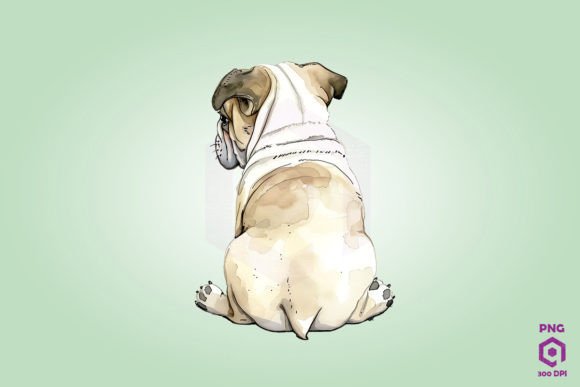
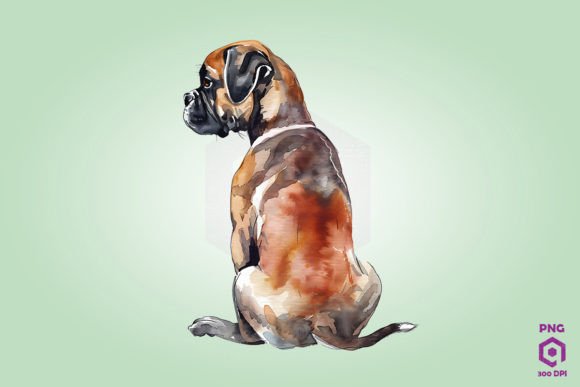
When I first opened the Beagle Books Clipart file, I immediately saw its potential for a specific kind of embroidery project. The design pairs a charming beagle with stacked books, creating a mood that is both cozy and slightly scholarly. It feels like a piece of clipart that belongs on a librarian's tote bag or a book lover's favorite sweatshirt. As someone who evaluates embroidery designs for real production, I look past the digital preview and think about how the shape, layout, and detail level will translate into thread. This design has a clear personality, and that alone makes it worth a closer look before you commit to hooping up.
First Impressions and the Mood This Design Carries
Beagle Books Clipart strikes me as a design that was built for a warm, approachable audience. The beagle has a friendly expression, and the books give it a studious, gentle vibe. In the world of machine embroidery design, mood matters because it tells you what kind of customer will respond to the finished product. I immediately thought of personalized gifts for teachers, librarians, or dog lovers who also enjoy reading. The visual personality is not overly cutesy, nor is it too serious. It sits in a comfortable middle ground that makes it suitable for both adults and children. That balance is harder to find than most designers realize.
When I preview the layout, I notice the composition is centered and fairly compact. The beagle and the books form a shape that is roughly circular, which is a strong advantage for embroidery file placement. A centered design like this one works well on custom apparel such as sweatshirts, t-shirts, and even baby embroidery projects if the scale is adjusted properly. The design does not have awkward protruding elements that would cause trouble in a hoop. That is a good sign for production efficiency.
How Beagle Books Clipart Performs in Real Embroidery Projects
I have tested similar clipart-style designs on several surfaces, and I can already predict how this one will behave. On a tote bag design, the beagle and books motif will read clearly from a few feet away, which is exactly what you want for a bag that people carry in public. The level of detail in the books spine and the dog's face is moderate, so it will stitch out cleanly without excessive stitch density that could distort the fabric. For a sweatshirt embroidery project, I would recommend keeping the design size between four and five inches wide. That range allows the beagle's features to remain crisp while the books retain their individual character.
For embroidered patch production, Beagle Books Clipart has the right shape for a patch outline. The circular composition means you can easily stitch a satin stitch border around the entire design and cut it cleanly. I have seen many patch designs that fight against their own shape, but this one cooperates. If you are a small shop product maker who sells patches at craft fairs, this design could be a steady seller, especially if you offer it in multiple thread colors to match different bag or jacket backgrounds.
On baby embroidery items like onesies or receiving blankets, you would need to scale the design down significantly. At smaller sizes, the books may lose some of their individual definition, but the beagle's silhouette should remain recognizable. I would test this design at three inches or smaller on scrap fabric before stitching it onto a final garment. The same caution applies to holiday embroidery projects. If you are making a gift for a book-loving dog owner, this design fits perfectly. It does not scream a specific holiday, which actually makes it more versatile across seasons.
Where to Use This Design Carefully
Not every surface is ideal for Beagle Books Clipart, and I want to be honest about that. The design includes multiple small shapes within the books and the dog's face, which means small hoop sizes below four inches could cause some of those details to become muddy. If you are working with a four by four hoop, you will need to be intentional about sizing. I would not push this design below three inches in width if you want the books to look like books rather than colored blobs.
Textured fabrics like heavy fleece or thick fabric texture such as bouclé or cable knit can swallow the finer details of the design. The books have straight lines that need a clean stitch path, and a bumpy fabric surface will disrupt that clarity. Smooth fabrics like cotton twill, denim, linen, and performance fleece are much better choices. Stretchy fabrics require careful stabilization. If you are embroidering on a stretchy fabric like a jersey knit t-shirt, use a cutaway stabilizer and a lightweight topping to prevent the stitches from distorting the beagle's face.
Dark fabric backgrounds present another consideration. The design as a clipart likely has defined outlines, but if you are stitching it on a dark base, you will need to ensure your thread colors provide enough contrast. I recommend testing the design in a black and white mockup first to see if the shapes separate clearly. If you are using a satin stitch for the books or the dog's collar, choose a thread color that pops against the garment. On a layered garment like a jacket with a lined hood, avoid placing the design over seams or thick zipper tape. The curved surfaces like caps are also tricky for this design because the books have straight horizontal lines that will fight against the curve of a cap front. If you attempt a cap, keep the design small and centered, and use a stiff cap frame.
Visual Appeal, Product Value, and Customer Trust
When a customer sees a finished product featuring Beagle Books Clipart, the first thing they notice is the theme. A beagle with books immediately signals that the item was made for someone who loves both dogs and reading. That emotional connection is what drives sales in a craft business. I have found that designs with a clear, relatable theme sell better than generic decorative motifs because they tell a story. The customer can imagine themselves or their gift recipient using the item. That mental image is powerful.
The stitching clarity of this design will directly affect how professional the finished product looks. If the books are well-defined and the beagle's face stitches out with clean fill stitch areas, the item will feel premium. Customers who buy handmade product items like embroidered tote bags or personalized sweatshirts are paying for attention to detail. A design that stitches out cleanly builds trust in your brand. If the design has overly dense areas or tiny details that turn into a mess of thread, that trust erodes quickly. Based on the clipart preview, I believe this design can stitch cleanly if you respect its limitations and use proper stabilizer and thread colors.
For Etsy seller listings, this design works well as a featured motif on a product photo. The theme is easy to describe in a title and tags. You can list it as a personalized gift for dog lovers, teachers, librarians, or book club members. The printable mockup potential is also strong. If you sell digital products like sublimation designs, this clipart can be used directly as a PNG for mugs, tumblers, or signs. The design assets category it belongs to—Illustrations and Graphics—means it can serve both physical embroidery and digital print-on-demand markets. That dual-purpose flexibility is valuable for a creative entrepreneur who runs multiple sales channels.
Practical Embroidery Designer Notes Before You Stitch
Before you load this design into your machine, I strongly recommend a few steps. First, test the design on scrap fabric that matches the weight and texture of your final garment. Use the same stabilizer you plan to use in production. Check the thread color contrast against the fabric. If the beagle is a light brown and the books are dark, make sure the values are distinct enough that the shapes do not blend together at a distance. A photograph of the stitched sample will not tell you everything. You need to see it in person, under normal lighting, and from the angle a customer would see it.
Review the stitch density of the design. If the file includes dense fill areas, consider whether the fabric can handle it without puckering. For lightweight fabrics, a dense design may require a heavier stabilizer or a layer of tearaway backing. If the design includes any running stitch outlines, make sure those lines are not too thin for the fabric you are using. On a textured fabric, a thin running stitch can disappear into the weave.
Confirm the hoop size you need before you start. If the design is larger than your hoop can accommodate, you will need to resize it. Resizing a clipart-based embroidery file can affect stitch density, so always test the scaled version. If the design includes small details like the books' spines, resizing too small will make those details unreadable. I recommend keeping the design within a size range where the smallest details are at least one millimeter wide in the stitch file.
Check the thread colors recommended in the design file. If the file uses more colors than you want to manage, consider simplifying the palette. A two or three color version of Beagle Books Clipart can still look charming and will be faster to produce. For commercial embroidery production, reducing color changes saves time and reduces thread waste. If you are selling finished items, time is money.
Finally, review the licensing terms for the Beagle Books Clipart file. Since this is a digital product sold as Graphics and Illustrations, you need to confirm whether the license allows commercial embroidery use. If you plan to sell the finished embroidered items, make sure the license covers that. If you plan to sell the digital file itself or use it as a design asset in a bundle, verify those rights separately. Licensing is not the most exciting part of the creative process, but it is the part that protects your business. If the product listing does not clearly state the license terms, contact the seller before you purchase.
Final Thoughts on Beagle Books Clipart for Embroidery Projects
Beagle Books Clipart is a solid design choice for anyone who makes handmade product items for book lovers and dog enthusiasts. It has a warm, approachable mood that translates well into thread, and its centered composition makes it versatile across many product types. I can see it working beautifully on a tote bag design, a sweatshirt embroidery project, a custom embroidered patch, or even a personalized gift for a teacher. It is not a design that will work in every situation, especially on very small hoops or heavily textured fabrics, but when you match it to the right surface, it delivers a professional result that customers will appreciate.
For small business owners and Etsy sellers, this design offers a clear theme that is easy to market. For hobbyists and makers, it offers a satisfying stitch-out that feels like a finished piece rather than a test run. If you are a digital product seller, the clipart format means you can also use it for sublimation, print-on-demand, and mockup presentations. The dual-use nature of this design as both an embroidery project and a printable mockup asset adds real value to your creative toolbox.
My advice is to test it, respect its limits, and put it on products that match its personality. A beagle with books belongs on items that people carry, wear, and gift with pride. If you treat the design with the same care you would give any machine embroidery design you plan to sell, it will reward you with clean stitches and happy customers.